
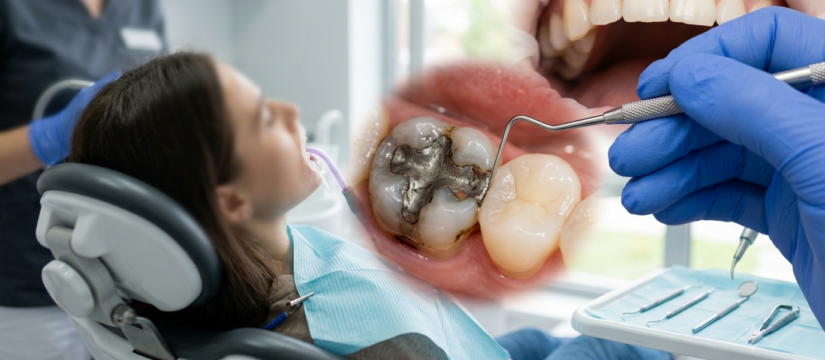
Dental fillings are one of the most common and effective ways to restore teeth damaged by cavities. They help strengthen the tooth, prevent further decay, and restore normal function. While fillings are designed to last for many years, they don’t last forever. Over time, everyday wear and tear can cause them to weaken, crack, or lose their seal.
Many people assume that once a filling is placed, it never needs attention again. However, old or damaged fillings can leave your tooth vulnerable to decay, fractures, and sensitivity. Knowing when it’s time to replace a filling can help you avoid more extensive dental treatment in the future.
How Long Do Dental Fillings Last?
The lifespan of a dental filling depends on several factors, including the type of filling material, your oral hygiene habits, diet, and the amount of pressure placed on the tooth.
On average:
- Composite (tooth-colored) fillings typically last 5–10 years.
- Amalgam (silver) fillings often last 10–15 years or longer.
- Gold and porcelain restorations may last even longer with proper care.
These are general estimates. Some fillings last well beyond their expected lifespan, while others may need replacement sooner due to damage or recurrent decay.
Signs Your Filling May Need to Be Replaced
Your filling may continue to look fine on the surface while hidden problems develop underneath. That’s why regular dental exams are so important.
Here are some common signs that it may be time to replace an old filling.
Tooth Sensitivity
If you suddenly experience sensitivity to hot, cold, or sweet foods around a previously filled tooth, the filling may no longer be sealing the tooth properly. Small gaps can allow bacteria and food particles to enter, leading to irritation and decay.
Pain When Biting
Pain or discomfort when chewing could indicate that the filling has cracked, shifted, or worn down. It may also mean that the tooth underneath has developed a fracture or new cavity.
Visible Cracks or Damage
Take a close look at your teeth in the mirror. If you notice cracks, chips, rough edges, or pieces missing from a filling, it’s important to have it evaluated by your dentist as soon as possible.
Damaged fillings can no longer fully protect the tooth.
Food Frequently Gets Stuck
If food repeatedly becomes trapped around a filled tooth, it could be a sign that the filling has worn away or pulled away from the tooth.
This creates spaces where bacteria can collect, increasing the risk of cavities and gum irritation.
Discoloration Around the Filling
Dark lines or staining around the edges of a filling may indicate leakage or new decay developing beneath the restoration. While not every stain is a concern, your dentist can determine whether the filling is still intact.
Why Do Fillings Fail?
Even with excellent oral hygiene, fillings naturally experience years of pressure from chewing, grinding, and temperature changes.
Common reasons fillings need replacement include:
- Normal wear over time
- Cracks or fractures
- Teeth grinding (bruxism)
- Recurrent decay around the filling
- Poor fit due to changes in the tooth
- Trauma or injury to the tooth
Replacing a worn filling early can often prevent the need for more complex procedures, such as crowns or root canal treatment.
What Happens During a Filling Replacement?
Replacing a filling is usually a straightforward procedure.
Your dentist will:
- Examine the tooth and take X-rays if necessary.
- Remove the old filling.
- Check for any new decay underneath.
- Clean and prepare the tooth.
- Place a new filling that restores the tooth’s shape and function.
Modern tooth-colored composite fillings blend naturally with your smile and provide excellent durability for most patients.
Can You Prevent Fillings from Wearing Out?
While no filling lasts forever, proper care can significantly extend its lifespan.
To protect your fillings:
- Brush twice daily with fluoride toothpaste.
- Floss every day.
- Visit your dentist for regular exams and cleanings.
- Limit sugary foods and drinks.
- Avoid chewing on ice, pens, or other hard objects.
- Wear a nightguard if you grind your teeth while sleeping.
Routine dental visits allow your dentist to monitor existing fillings and identify small problems before they become major ones.
Don’t Wait Until It Hurts
One of the biggest misconceptions about dental fillings is that they only need attention if they become painful. In reality, many failing fillings don’t cause symptoms until significant damage has already occurred.
Replacing an old or damaged filling at the right time helps preserve your natural tooth, reduces the risk of larger cavities, and may save you from more extensive and costly dental procedures.
If it’s been several years since your last dental exam or you suspect one of your fillings may be worn out, schedule an appointment with your dentist. A quick evaluation can determine whether your filling is still doing its job or if it’s time for a replacement. Taking action early is one of the best ways to keep your smile healthy, comfortable, and strong for years to come.