
Acid reflux is commonly associated with heartburn, chest discomfort and a sour taste in the mouth. But did you know that it can also affect your dental health?
When stomach acid repeatedly travels back into the oesophagus and sometimes reaches the mouth, it can gradually damage tooth enamel. Over time, this exposure may lead to tooth sensitivity, enamel erosion, increased cavity risk and other oral health concerns.
What makes this particularly concerning is that dental damage can develop gradually, often before a person realises that acid reflux is affecting their teeth.
Understanding this connection can help you recognise early warning signs and take steps to protect your smile.
What Happens to Your Teeth During Acid Reflux?
Your teeth are protected by enamel, the hard outer layer that shields them from everyday wear, bacteria and acids.
Stomach acid is highly acidic. When it enters the mouth, it can soften and gradually dissolve minerals from the enamel. This process is known as dental erosion.
Unlike cavities, which are primarily caused by acids produced by bacteria, dental erosion happens through direct exposure to acids.
Repeated acid exposure can weaken enamel over time. Since enamel does not regenerate naturally, the damage can become permanent if left unaddressed.
5 Ways Acid Reflux Can Affect Your Dental Health
1. Gradual Enamel Erosion
One of the most common dental effects of acid reflux is enamel erosion.
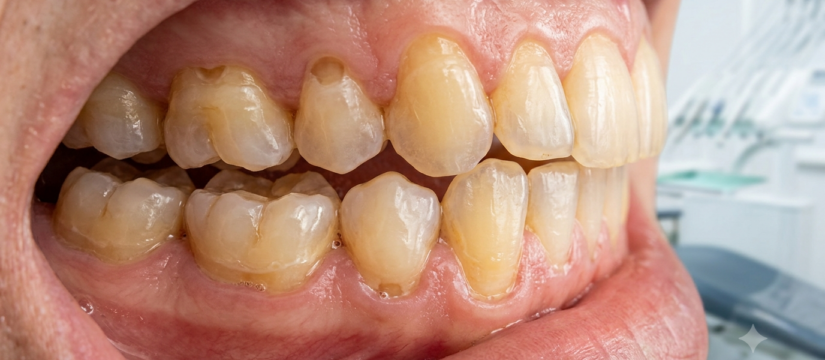
Repeated contact with stomach acid gradually wears away the protective enamel layer. As the enamel becomes thinner, the underlying dentin may become exposed, leaving teeth more vulnerable to sensitivity and damage.
You may notice that your teeth appear more yellow than before or develop smoother, worn-looking surfaces.
2. Increased Tooth Sensitivity
Have you started experiencing discomfort when drinking something cold or hot?
Acid erosion can expose the dentin beneath the enamel. Dentin contains tiny channels that connect to the inner nerve tissue of the tooth, making it more sensitive to temperature changes and certain foods.
This sensitivity may become more noticeable as enamel loss progresses.
3. Higher Risk of Tooth Decay
Enamel acts as the first line of defence against tooth decay. When acid reflux weakens this protective layer, teeth become more vulnerable to further damage.
Although reflux-related erosion and bacterial cavities are different conditions, weakened enamel can make maintaining healthy teeth more challenging.
Regular dental checkups can help identify early signs of both problems.
4. Changes in Tooth Appearance
Acid erosion can gradually change how your teeth look.
Some common changes include:
- Yellowish appearance as underlying dentin becomes visible.
- Rounded or worn-down edges of front teeth.
- Small indentations or cupping on chewing surfaces.
- Increased transparency around the edges of teeth.
These changes may develop slowly, making them easy to overlook initially.
5. Damage to Existing Dental Work
Frequent acid exposure can also affect existing dental restorations.
Fillings, crowns and other dental work may become more noticeable as the surrounding natural tooth structure wears away. Changes in the tooth structure can also affect how restorations fit and function.
Your dentist can evaluate existing restorations and recommend appropriate care if acid erosion is present.
Why Are Some People More at Risk?
Not everyone with acid reflux experiences the same level of dental damage. The frequency and severity of reflux episodes can influence how much acid reaches the mouth.
Certain factors may increase the risk, including:
- Frequent or untreated gastroesophageal reflux disease (GERD).
- Night-time acid reflux, when reduced saliva flow offers less protection.
- Dry mouth, which limits the mouth’s natural ability to neutralise acids.
- Frequent consumption of acidic foods and beverages alongside reflux.
- Delayed treatment of persistent reflux symptoms.
People who experience reflux regularly may benefit from discussing both their digestive and dental health with the appropriate healthcare professionals.
How Can You Protect Your Teeth From Acid Reflux?
While managing acid reflux is important, protecting your teeth from repeated acid exposure is equally essential.
Here are some practical steps:
- Avoid Brushing Immediately After Reflux
Stomach acid temporarily softens enamel. Brushing immediately can increase enamel wear. Rinse your mouth with plain water or a baking soda solution (a small amount of baking soda mixed with water) to help neutralise the acid. Wait approximately 30–60 minutes before brushing.
- Use Fluoride Toothpaste
Fluoride helps strengthen enamel and makes teeth more resistant to acid attacks. Brush twice daily using a fluoride toothpaste and a soft-bristled toothbrush.
- Stay Hydrated
Drinking water throughout the day helps maintain saliva production and wash away residual acids.
- Manage Your Reflux Triggers
Avoiding personal food triggers, eating smaller meals and not lying down immediately after eating may help reduce reflux episodes. Persistent symptoms should be discussed with a healthcare professional.
- Schedule Regular Dental Checkups
Routine dental examinations help identify enamel erosion, sensitivity and other changes before they become more severe. Your dentist may recommend additional fluoride treatments or protective restorations depending on the extent of damage.
When Should You Visit a Dentist?
If you experience frequent tooth sensitivity, unexplained enamel wear, yellowing or changes in tooth shape, consider scheduling a dental evaluation.
Even if acid reflux is already being managed, existing dental damage may require separate attention. A dentist can assess the condition of your enamel and recommend ways to prevent further deterioration.
Protect Your Smile Beyond Brushing
Acid reflux does not just affect your digestive system. Its repeated exposure to tooth enamel can have lasting consequences for your oral health.
Recognising the early signs, managing reflux symptoms and maintaining regular dental visits can help reduce the risk of long-term damage.
A healthy smile starts with understanding what affects it. If you experience persistent acid reflux or notice unexpected changes in your teeth, speak with your dentist about the right steps to protect your enamel and maintain your oral health.