
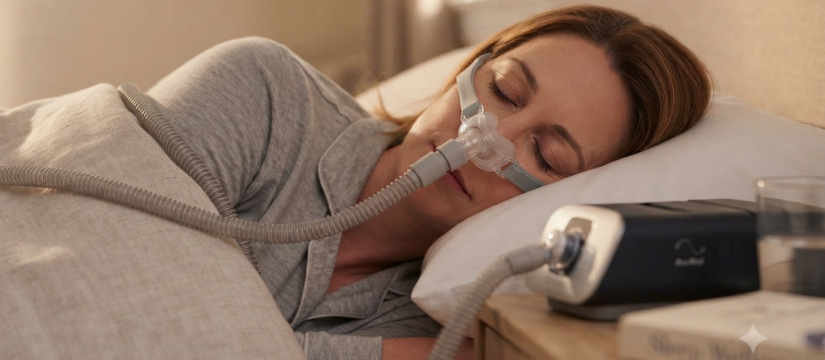
A good night’s sleep is essential for maintaining overall health, but what happens when your breathing repeatedly stops or becomes shallow while you sleep? This condition, known as sleep apnea, can affect more than just your sleep quality. It can also have an impact on your oral health.
Many people associate sleep apnea with loud snoring, daytime tiredness, and interrupted sleep. However, it can also contribute to dental concerns such as dry mouth, teeth grinding, jaw discomfort, and an increased risk of certain oral health problems.
Since some of these symptoms develop gradually, they may go unnoticed until a dental examination brings them to attention.
Understanding the connection between sleep apnea and oral health can help you recognise potential warning signs and seek the right care.
What Is Sleep Apnea?
Sleep apnea is a sleep-related breathing disorder in which breathing repeatedly stops or becomes reduced during sleep.
There are three main types:
- Obstructive Sleep Apnea (OSA): The most common type, caused by repeated narrowing or blockage of the upper airway during sleep.
- Central Sleep Apnea: Occurs when the brain temporarily fails to send the appropriate signals to the muscles responsible for breathing.
- Complex Sleep Apnea: Also called treatment-emergent central sleep apnea, this involves central breathing disturbances that emerge during treatment for obstructive sleep apnea.
Obstructive sleep apnea is particularly relevant to dentistry because the position of the jaw, tongue, and surrounding oral structures can influence the upper airway.
- Dry Mouth and Reduced Saliva Protection
One of the common oral health concerns associated with sleep apnea is dry mouth, especially in people who breathe through their mouths while sleeping.
When the mouth remains open for extended periods, saliva can evaporate more quickly. This reduces the moisture needed to keep the mouth comfortable and protect the teeth.
Saliva plays an important role in washing away food particles, neutralising acids, and protecting tooth enamel.
When the mouth becomes consistently dry, it may increase the risk of:
- Tooth decay and cavities
- Persistent bad breath
- Gum irritation
- Difficulty swallowing
- Oral discomfort
If you regularly wake up with a dry or sticky mouth, it may be worth discussing this symptom with your dentist.
- Teeth Grinding (Bruxism)
Have you ever woken up with a sore jaw or noticed that your teeth feel sensitive in the morning?
These symptoms may be associated with bruxism, commonly known as teeth grinding or clenching.
Sleep bruxism and obstructive sleep apnea can occur together. Some studies suggest that grinding episodes may happen around breathing disturbances and brief sleep arousals. However, the relationship is complex, and sleep apnea does not cause teeth grinding in every person.
Repeated grinding can place excessive pressure on the teeth and jaw muscles.
Possible signs include:
- Flattened or worn-down teeth
- Tooth sensitivity
- Jaw soreness
- Morning headaches
- Cracked or chipped teeth
- Increased tension in the facial muscles
A dentist can examine signs of tooth wear and recommend appropriate management, such as a custom night guard when suitable. However, a night guard does not treat the underlying sleep apnea.
- Jaw Pain and Temporomandibular Joint (TMJ) Discomfort
The temporomandibular joints connect your lower jaw to your skull and help you speak, chew, and open your mouth.
People with sleep apnea may also experience jaw discomfort, particularly when teeth grinding or clenching is present.
Repeated muscle tension can contribute to:
- Jaw stiffness after waking up
- Pain while chewing
- Clicking or popping sounds near the jaw
- Facial muscle soreness
- Difficulty opening the mouth comfortably
These symptoms can have several causes, so a proper dental assessment is important before deciding on treatment.
- Increased Risk of Gum Problems
Sleep apnea may be associated with periodontal disease, although the relationship is influenced by several factors, including inflammation, oral hygiene, smoking, and other health conditions.
Dry mouth can make it harder for the oral environment to maintain its natural protective balance. This may contribute to plaque accumulation and gum irritation.
Watch out for symptoms such as:
- Red or swollen gums
- Bleeding during brushing or flossing
- Persistent bad breath
- Gum tenderness
- Gum recession
Regular dental cleanings and proper oral hygiene can help maintain gum health and reduce the risk of periodontal problems.
- Changes in Tooth Enamel and Tooth Sensitivity
Repeated teeth grinding can gradually wear down the protective enamel covering your teeth.
As enamel becomes thinner, the underlying dentin may become exposed, making teeth more sensitive to hot, cold, sweet, or acidic foods and beverages.
In more advanced cases, excessive grinding can contribute to cracks, chipped teeth, and damage to existing dental restorations.
If you notice unexplained tooth sensitivity or changes in your tooth surfaces, your dentist can check for signs of enamel wear and recommend suitable treatment.
How Can Dentists Help Identify Sleep Apnea?
Dentists regularly examine the teeth, gums, jaw, and oral structures, which means they may notice signs associated with sleep apnea during routine dental visits.
Some indicators include:
- Worn or flattened teeth
- Signs of frequent teeth grinding
- Dry mouth
- A narrow upper dental arch
- Certain jaw or bite characteristics
- Enlarged soft tissues in the back of the throat
However, these signs alone cannot confirm sleep apnea.
If your dentist suspects a possible sleep-related breathing disorder, they may recommend consulting a sleep specialist or physician. A sleep study is generally required to diagnose sleep apnea and determine its severity.
Dental Treatment Options for Sleep Apnea
Treatment depends on the type and severity of sleep apnea. For obstructive sleep apnea, dentists with appropriate training may provide oral appliance therapy as part of a treatment plan.
- Custom Oral Appliances: These devices are designed to reposition the lower jaw slightly forward, helping keep the airway open during sleep. They are commonly used for selected patients with obstructive sleep apnea.
- Continuous Positive Airway Pressure (CPAP): CPAP is a commonly prescribed treatment that delivers a steady flow of air through a mask to help keep the airway open during sleep.
- Managing Oral Health Concerns: Dentists can recommend treatments for dry mouth, tooth sensitivity, gum problems, and damage caused by teeth grinding.
- Regular Monitoring: Follow-up appointments help assess oral health, check the fit of oral appliances, and identify potential dental or jaw-related side effects.
It is important to remember that oral appliances should be prescribed and monitored by qualified dental professionals in coordination with the treating sleep physician.
Sleep apnea can affect more than your breathing and sleep quality. It may also be associated with dry mouth, teeth grinding, jaw discomfort, gum problems, and tooth wear.
Recognising these oral health changes can help you seek professional advice before they lead to more significant dental concerns.
If you frequently wake up with a dry mouth, jaw pain, morning headaches, or notice signs of teeth grinding, consider discussing them with your dentist. Persistent snoring, gasping during sleep, and daytime sleepiness should also be evaluated by a healthcare professional.
Taking care of your oral health while addressing sleep-related breathing concerns can support better sleep, healthier teeth, and overall well-being.