
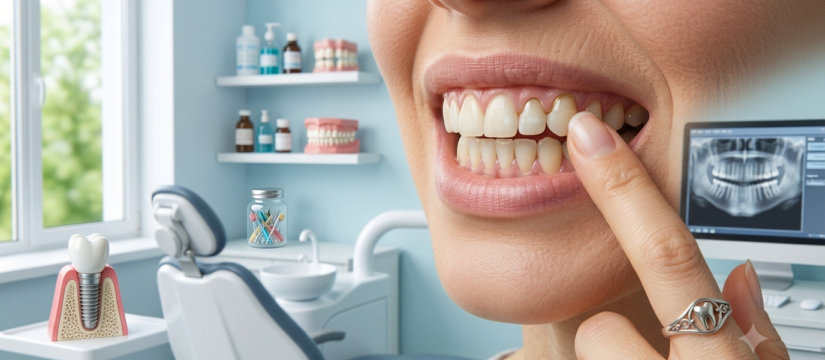
Many people believe that bleeding gums are the first and only sign of gum disease. While bleeding during brushing or flossing is a common symptom, it’s not always present. In fact, you can have gum disease without noticing any bleeding at all.
Because gum disease often develops gradually and painlessly, many people don’t realize they have it until it has progressed to a more advanced stage. Understanding the early warning signs can help you seek treatment before permanent damage occurs.
What Is Gum Disease?
Gum disease, also known as periodontal disease, is an infection of the tissues that support your teeth. It begins when plaque—a sticky film of bacteria—builds up along the gumline.
If plaque isn’t removed through daily brushing, flossing, and regular dental cleanings, it can harden into tartar. This allows bacteria to irritate the gums and trigger inflammation.
Gum disease generally progresses in two stages:
- Gingivitis: The earliest stage, affecting only the gums. It is reversible with professional treatment and improved oral hygiene.
- Periodontitis: An advanced stage where the infection damages the gums, connective tissues, and jawbone that support your teeth.
Can You Have Gum Disease Without Bleeding?
Yes. Bleeding gums are common, but they are not required for a diagnosis of gum disease.
Some people experience little or no bleeding even when periodontal disease is present. This is especially true if:
- The disease has progressed slowly over time.
- Smoking has reduced blood flow to the gums.
- Certain medical conditions affect the body’s inflammatory response.
- You have developed chronic gum tissue changes that don’t bleed easily.
This is why routine dental exams are essential. Your dentist can detect gum disease before noticeable symptoms appear.
Other Signs of Gum Disease
Even if your gums don’t bleed, you may notice other warning signs, including:
- Persistent bad breath
- Red, swollen, or tender gums
- Gum recession (teeth appearing longer)
- Sensitive teeth
- Loose teeth
- Pain while chewing
- Spaces developing between teeth
- Pus around the gumline
- Changes in the way your teeth fit together when you bite
If you experience any of these symptoms, it’s important to schedule a dental evaluation.
Why Some People Don’t Notice Bleeding
Smoking and Tobacco Use
Smoking is one of the biggest risk factors for gum disease. Nicotine reduces blood flow to the gums, which can mask inflammation and significantly reduce bleeding.
As a result, smokers may have severe gum disease without the classic symptom of bleeding gums.
Chronic Periodontal Disease
As gum disease advances, gum tissue may become damaged and recede. In some cases, patients experience less obvious bleeding despite ongoing destruction of the supporting bone and tissues.
This makes advanced gum disease particularly dangerous because it often progresses silently.
Excellent Brushing Doesn’t Remove Everything
Even if you brush twice a day, plaque and bacteria can remain below the gumline where a toothbrush cannot reach.
Without flossing and professional cleanings, gum disease can still develop despite an otherwise good oral hygiene routine.
How Dentists Diagnose Gum Disease
Your dentist doesn’t rely on bleeding alone to diagnose periodontal disease.
During a periodontal evaluation, they may:
- Measure the depth of the pockets around your teeth
- Check for gum recession
- Evaluate tooth mobility
- Look for plaque and tartar buildup
- Assess bone levels using dental X-rays
- Examine your gums for swelling or inflammation
These assessments allow your dental team to detect gum disease even before symptoms become obvious.
What Happens If Gum Disease Goes Untreated?
Untreated periodontal disease can lead to serious oral health complications, including:
- Progressive bone loss
- Gum recession
- Loose teeth
- Tooth loss
- Difficulty chewing
- Changes in bite alignment
- Increased need for complex dental treatments
Research has also linked advanced gum disease with several systemic health conditions, including diabetes, cardiovascular disease, and complications during pregnancy. Maintaining healthy gums is an important part of protecting your overall health.
Can Gum Disease Be Reversed?
The answer depends on the stage of the disease.
Gingivitis
When detected early, gingivitis is reversible. Professional dental cleanings combined with improved brushing and daily flossing can restore gum health.
Periodontitis
While periodontitis cannot be completely reversed, it can be successfully managed with professional periodontal treatment. Deep cleanings (scaling and root planing), improved home care, and regular periodontal maintenance appointments help control the infection and prevent further damage.
How to Prevent Gum Disease
Keeping your gums healthy starts with a consistent oral hygiene routine.
You can reduce your risk by:
- Brushing your teeth twice daily with fluoride toothpaste.
- Flossing every day to remove plaque between teeth.
- Visiting your dentist for regular exams and cleanings.
- Avoiding tobacco products.
- Eating a balanced, nutrient-rich diet.
- Managing health conditions such as diabetes.
- Drinking plenty of water throughout the day.
Prevention is always easier—and less costly—than treating advanced periodontal disease.
When Should You See a Dentist?
Don’t wait until your gums bleed to schedule an appointment.
Visit your dentist if you notice:
- Persistent bad breath
- Receding gums
- Loose teeth
- Tooth sensitivity
- Swollen or tender gums
- Pain while chewing
- Changes in your bite
Even if your gums look healthy and don’t bleed, routine dental checkups every six months allow your dentist to detect gum disease in its earliest stages.
Bleeding gums are a common sign of gum disease, but they are not the only sign—and in some cases, they may not occur at all. Gum disease can develop quietly, causing damage to the gums and supporting bone long before noticeable symptoms appear.
The best way to protect your smile is through regular dental visits, professional cleanings, and consistent oral hygiene at home. If you’ve noticed changes in your gums, persistent bad breath, or loose teeth—even without bleeding—don’t ignore the symptoms. Early diagnosis and treatment can help preserve your oral health and prevent more serious complications in the future.