
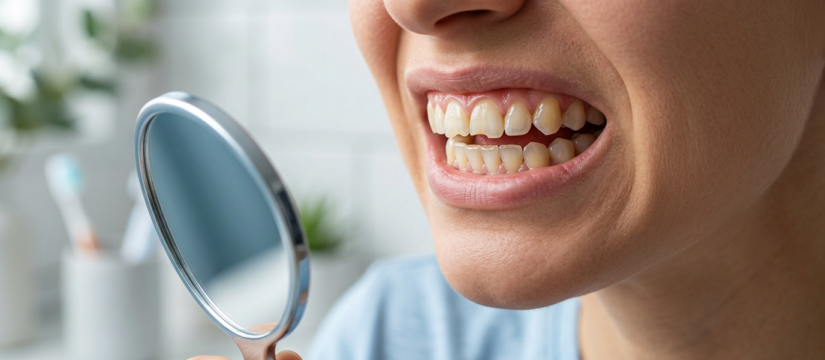
Many people think acid reflux is only a stomach problem—something that causes heartburn after a heavy meal or spicy food. But what most don’t realize is that acid reflux can silently damage your teeth for years before you notice any major symptoms.
In fact, dentists often spot signs of acid reflux in a patient’s mouth before the patient is even diagnosed medically.
If you experience frequent heartburn, GERD (gastroesophageal reflux disease), or even silent reflux, this blog will help you understand how acid reflux affects your teeth, the warning signs to watch for, and what you can do to protect your smile.
What Is Acid Reflux?
Acid reflux happens when stomach acid flows back up into the esophagus and sometimes reaches the throat and mouth. This acid is extremely strong because it’s meant to break down food in the stomach.
When that acid repeatedly enters your mouth, it can harm your teeth and oral tissues.
Common conditions include:
- GERD (Gastroesophageal Reflux Disease)
- Silent Reflux (LPR – Laryngopharyngeal Reflux)
- Occasional heartburn
Even if reflux happens only at night, it can still cause significant dental damage over time.
Why Acid Reflux Is Dangerous for Your Teeth
Your teeth are protected by enamel, the hardest substance in your body. But enamel has one weakness: acid.
Stomach acid has a very low pH level, which makes it powerful enough to dissolve tooth enamel slowly. Unlike bones, enamel does not regenerate once it’s damaged.
That means reflux can create long-term problems without obvious pain at first.
How Acid Reflux Slowly Damages Your Teeth
Acid Erodes Tooth Enamel
The biggest issue is enamel erosion.
When stomach acid repeatedly coats the teeth, it weakens the enamel layer. Over time, the surface becomes thinner and softer.
This leads to:
- dull-looking teeth
- rough tooth texture
- higher risk of cavities
- increased tooth wear
Once enamel is gone, it cannot grow back
Teeth Become Sensitive Over Time
As enamel wears down, the inner tooth layer (dentin) becomes exposed.
This can cause sensitivity to:
- cold drinks
- hot foods
- sweet items
- brushing
Many people assume sensitivity is normal or caused by aging, but acid reflux is often the hidden cause.
- Teeth Start Looking Yellow
As enamel thins, the yellowish dentin underneath becomes more visible. This makes teeth appear discolored even if you brush regularly.
This is why some people feel like their teeth “look dirty” or stained even after whitening.
In reality, it may be enamel loss—not surface stains
Acid Weakens the Back of the Teeth First
One of the key signs dentists look for is erosion on the inner surface of the upper teeth (the side facing the tongue).
That’s because reflux acid often travels upward and hits the back teeth first, especially during sleep.
You may not notice it until significant damage has already occurred
Increased Risk of Cavities
Enamel erosion makes teeth more vulnerable to decay. Even small amounts of sugar or plaque can cause cavities faster when enamel is weakened.
If you’re getting cavities frequently despite good oral hygiene, acid reflux may be part of the problem.
Dry Mouth Makes the Damage Worse
Acid reflux is often linked to dry mouth, especially at night.
Saliva plays an important role in neutralizing acids and protecting enamel. When saliva production decreases, acid stays on the teeth longer, increasing damage.
Dry mouth also contributes to:
- bad breath
- gum irritation
- tooth decay
Silent Reflux: The Most Dangerous Type for Teeth
Some people don’t feel heartburn at all. This is called silent reflux (LPR).
Instead, symptoms may include:
- frequent throat clearing
- chronic cough
- hoarse voice
- sore throat
- bitter taste in the mouth
- sensation of a lump in the throat
Even without heartburn, acid can still reach the mouth and damage teeth.
Signs Acid Reflux May Be Affecting Your Teeth
Here are some dental warning signs that often indicate reflux-related enamel erosion:
- tooth sensitivity that keeps getting worse
- teeth appearing yellow or dull
- thinning edges of teeth
- small chips or cracks
- increased cavities
- bad breath that doesn’t go away
- burning sensation in the mouth
- sour or bitter taste frequently
If you notice these signs, it’s important to talk to both your dentist and physician.
What to Do If You Have Acid Reflux (Dental Tips)
Don’t Brush Immediately After Reflux
This is a big mistake many people make.
After reflux, your enamel is temporarily softened by acid. Brushing right away can cause more erosion.
Instead:
✔ Rinse with water
✔ Wait 30–60 minutes before brushing
Rinse Your Mouth to Neutralize Acid
After reflux episodes, rinse with:
- plain water
- fluoride mouth rinse
- baking soda water (occasionally, dentist-approved)
This helps neutralize acid and reduce damage.
Use Fluoride Toothpaste
Fluoride strengthens enamel and protects teeth from erosion.
Your dentist may recommend:
- prescription fluoride toothpaste
- fluoride varnish treatments
- remineralizing gels
- Avoid Trigger Foods That Increase Reflux
Certain foods increase acid reflux and make enamel erosion worse, such as:
- spicy foods
- citrus fruits
- soda and carbonated drinks
- coffee
- chocolate
- alcohol
- fried foods
Reducing these can benefit both digestion and oral health.
Drink More Water and Stay Hydrated
Water helps wash away acid and improves saliva flow.
This is especially important if reflux occurs at night.
Consider a Night Guard If Teeth Are Wearing Down
Some reflux patients also grind their teeth due to discomfort and stress.
A custom night guard can protect enamel and prevent further wear.
Dental Treatments for Acid Reflux Damage
If reflux has already affected your teeth, your dentist may recommend treatments such as:
- fluoride treatments to strengthen enamel
- bonding to protect worn areas
- dental crowns for severely damaged teeth
- veneers for cosmetic restoration
- sensitivity treatments
Early detection can prevent expensive dental repairs later.
Why Regular Dental Visits Matter
Many people live with reflux for years without realizing how much it affects their smile. Routine dental exams help detect early enamel erosion before major damage happens.
Your dentist can often identify reflux-related wear patterns and recommend preventive care early.
Acid Reflux Doesn’t Just Affect Your Stomach
Acid reflux may feel like a digestive issue, but it can slowly destroy tooth enamel without obvious warning signs. Sensitivity, yellowing teeth, and frequent cavities are often the first clues.
If you suffer from reflux—especially nighttime or silent reflux—protecting your teeth is just as important as treating your stomach symptoms.
Worried Acid Reflux Is Affecting Your Teeth?
Our dental team can evaluate your enamel, check for early erosion, and recommend treatments to protect your smile.
📞 Schedule your dental checkup today and prevent long-term damage before it becomes serious.